
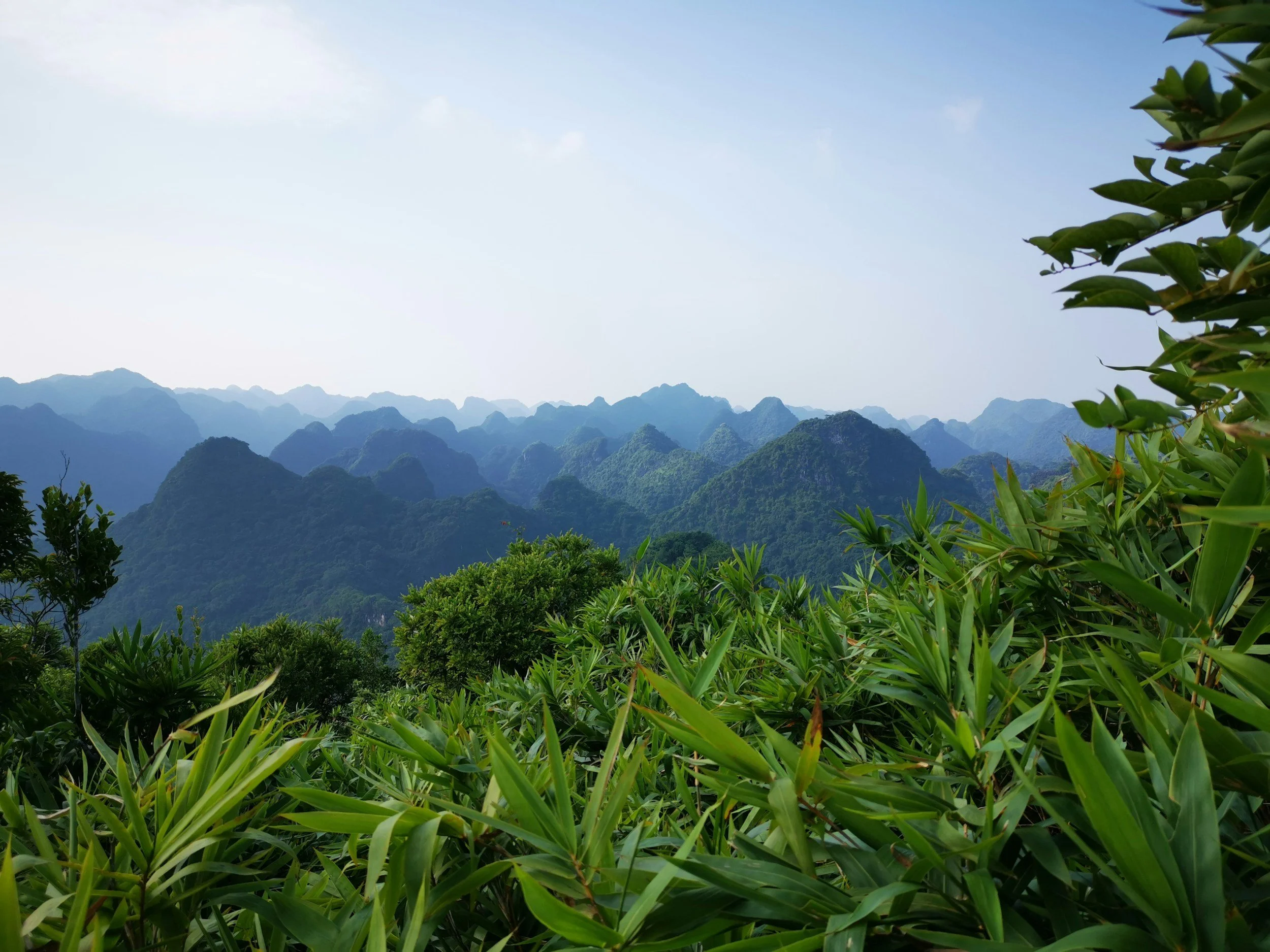
Cacao: A Pathway to Pachamama
At Jolt of Love, our journey with cacao is rooted in deep reverence for the sacred being we call Mother Earth. We may speak her name in many ways, Pachamama, Madre Tierra, Gaia, or simply Mother Earth—for across cultures she is one living presence: the great nurturer, the giver of life, and the heartbeat beneath our feet. Known throughout the world as a living, breathing consciousness, she is the primordial mother who nourishes our bodies, steadies our hearts, and reminds us that we belong to something ancient, sacred, and whole. In Andean traditions, Pachamama embodies all of nature, holding every living being in her care and watching over the sacred cacao plant.
Cacao is more than a plant; it is a gift from Mother Earth herself. For thousands of years, Indigenous cultures have honored cacao in ceremony for its power to soothe the nervous system, open the heart, and reconnect us to something greater. Known as the “food of the gods,” cacao carries the spirit of Pachamama—awakening inner wisdom, deepening connection, and aligning us with the natural world.
Our cacao is sourced with devotion to the earth, the farmers, and the ancestral traditions that guide its cultivation. In honoring cacao, we honor Mother Earth and remember our role as stewards of this living planet. With each sip, we invite you to feel her nourishment, listen to your heart, and receive the blessings of her abundant gifts.
May we walk in gratitude—for cacao, for Pachamama, and for the sacred Earth we call home.
Honoring Mother Earth
Pachamama (Quechua/Aymara): “Mother of the Cosmos,” the Andean life-giver who embodies the energetic web that connects all beings. She teaches reciprocity—ayni—and shows that when we honor the Earth, the Earth nourishes our spirit in return.
Madre Tierra (Spanish): “Mother Earth,” revered as the warm, generous force who provides sustenance, protection, and balance. She is the fertile ground beneath our feet and the compassionate presence that restores harmony to heart and body.
Gaia (Greek): “Earth Mother,” the ancient primordial being from whom mountains, oceans, and life itself emerged. She symbolizes the living planet as one unified organism—reminding us that when we care for the Earth, we care for ourselves.
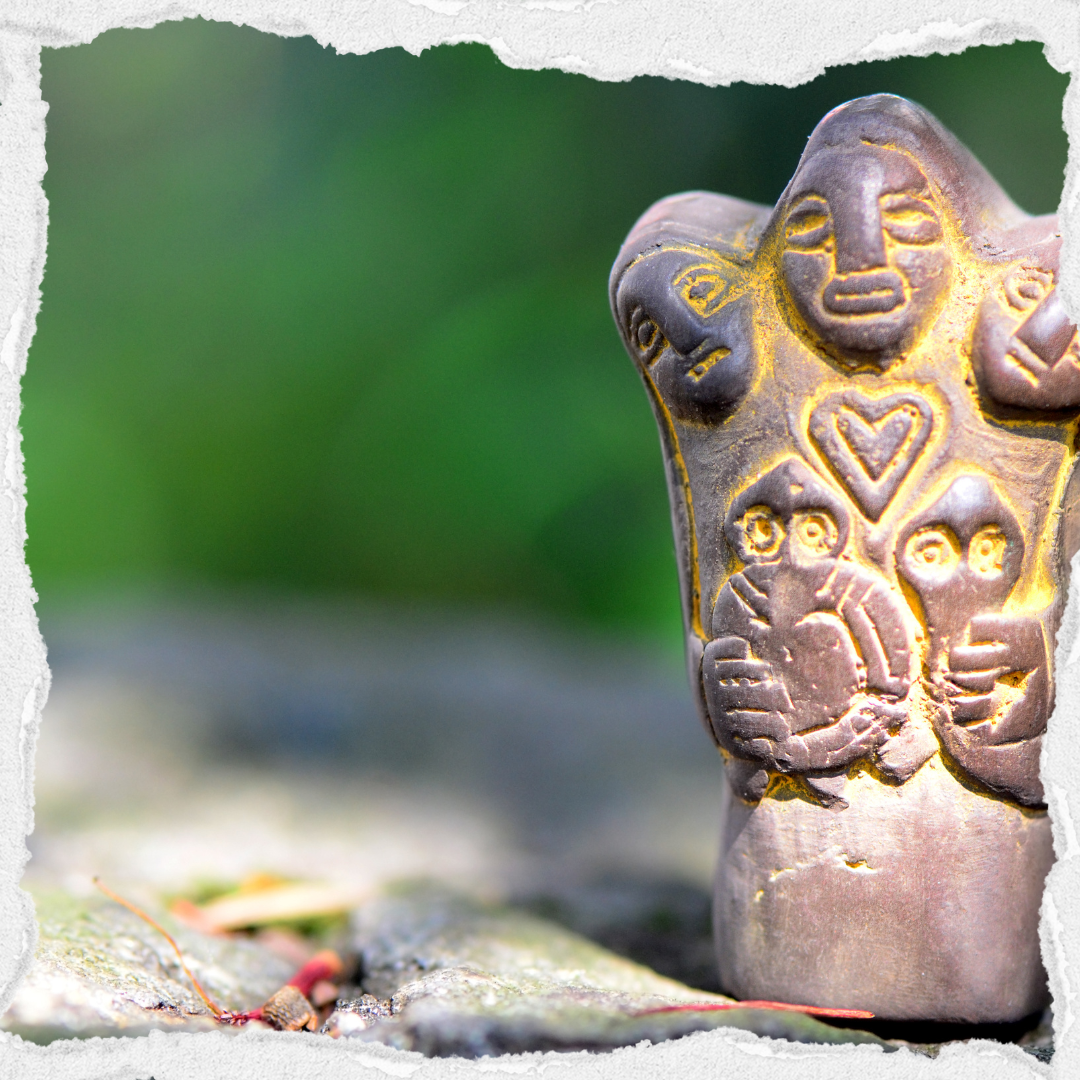
FAQs About Cacao
1. What is cacao, and where does it come from?
Cacao is derived from the seeds (or "beans") of the Theobroma cacao tree, which is native to Central and South America. The word "Theobroma" translates to "food of the gods," hinting at its revered status among ancient cultures. Indigenous communities in Mesoamerica used cacao in sacred rituals and ceremonies, celebrating its healing and heart-opening properties. Today, we honor that legacy by working with pure, ceremonial-grade cacao to create meaningful and transformative experiences.
2. How is cacao different from cocoa?
While cacao and cocoa come from the same plant, the main difference lies in processing. Cacao is minimally processed and retains more nutrients, antioxidants, and natural compounds than cocoa. Cocoa, on the other hand, is typically roasted at higher temperatures, which can reduce its beneficial properties. Cacao in its pure form offers a richer, more potent connection to the heart and mind.
3. Why is cacao called a “heart-opener”?
Cacao has long been valued for its ability to open and activate the heart. The plant contains compounds like theobromine, which gently stimulates the cardiovascular system, increasing blood flow and enhancing focus without the jitters commonly associated with caffeine. This subtle stimulation creates a sense of warmth and connection, often helping people tune in to their emotions and tap into inner joy and compassion.
4. What are the benefits of consuming cacao?
Cacao is packed with nutrients, including magnesium, iron, and antioxidants, which support physical and emotional well-being. Magnesium helps relax muscles and reduce stress, while antioxidants support cellular health. The phenylethylamine (PEA) in cacao promotes feelings of happiness, as it is a natural mood elevator. In traditional and modern practices, cacao is used to foster a sense of connection, clarity, and spiritual alignment.
5. What does “ceremonial-grade cacao” mean?
Ceremonial-grade cacao refers to cacao that has been prepared with great care, preserving its potency and purity. It is often sourced directly from farms that practice sustainable, ethical harvesting. Unlike chocolate made for mass consumption, ceremonial-grade cacao is crafted to maintain its natural compounds and is intended to be consumed mindfully, often in a meditative or ritual setting.
6. How do I prepare and consume cacao ?
Our ceremonial cacao can be prepared by dissolving it in hot water or plant-based milk, creating a smooth, rich drink. We recommend setting an intention and sipping slowly, allowing yourself to connect with the experience fully. Some people add spices like cinnamon, cayenne, or vanilla to enhance the flavor and add additional health benefits.
7. Is cacao safe for everyone?
Cacao is generally safe when consumed in moderation, but it’s best to consult with a healthcare provider if you have any heart conditions, are pregnant, or have other specific health concerns. Due to its stimulating effects, it’s also advised to consume cacao earlier in the day for optimal restfulness.
8. How can cacao benefit my wellness journey?
Cacao has a unique ability to facilitate emotional release, self-reflection, and heart-centered connection. Whether you’re looking to deepen your meditation practice, gain clarity on life’s direction, or simply invite more joy into your life, cacao serves as a gentle, grounding companion. Its natural composition encourages relaxation, inner alignment, and a sense of openness, making it a wonderful ally on the journey to holistic wellness.